Category: World

  • MESSAGE TO THE WEST

    MESSAGE TO THE WEST

    Bomb threats disrupt flights and force evacuations at European broadcasters

    Within days, numerous passenger aircraft across Europe were diverted or subjected to security checks following bomb threats. Fighter jets escorted some flights. Media organisations in Ireland, Britain and Bulgaria also received threats.

    Emails sent on November 6 to Ireland’s public broadcaster RTÉ and Bulgaria’s Nova TV carried the subject line “Message to the West”. A sender signing as “Mikhail Andropov” claimed responsibility for earlier threats against aircraft. Neither the sender’s identity nor the claim has been verified.

    In Dublin, RTÉ’s premises were evacuated and some programming was interrupted for hours. Nova TV’s newsroom in Sofia was also evacuated and searched. Britain’s Sky reported receiving a security threat.

    In the Czech Republic, threats were registered against nine flights connected with Prague. Four aircraft in France landed safely. Fighter jets escorted three passenger planes through Hungarian airspace. A Wizz Air flight was diverted to Venice.

    Security searches found no explosives. Most European air traffic continued operating normally, although the threats affected passengers, airlines and media workers.

    Irish Prime Minister Micheál Martin said it remained unclear whether the incidents were the actions of individuals or part of a coordinated campaign. Some officials raised the possibility of hybrid attacks, but no link to any state or organisation has been established.

    The incidents demonstrate how a single threatening message can divert aircraft, empty buildings and interrupt news broadcasts. European security authorities continue investigating the origin of the messages.

  • FROM THE WORKERS’ MOVEMENT TO A FOURTH PRESIDENCY

    FROM THE WORKERS’ MOVEMENT TO A FOURTH PRESIDENCY

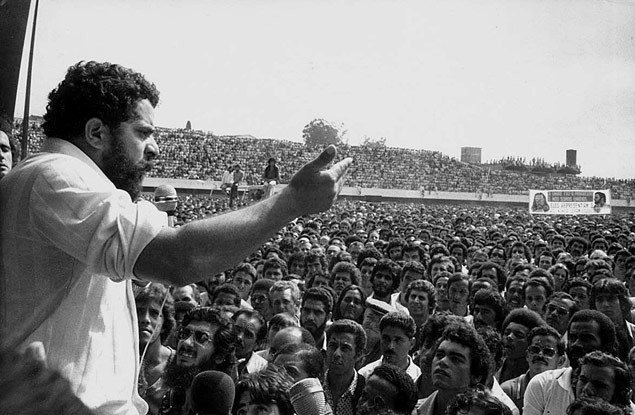
    Luiz Inácio Lula da Silva, who emerged from Brazil’s working class and helped reshape the country’s political history, has been elected president for a fourth time. His journey from metalworking and trade union struggles through strikes to the presidency carries not only the story of one politician but also the long history of struggles by Brazil’s working people.

    In the second round of the presidential election on 25 October, Lula, leader of the Workers’ Party (PT), won 51.79% of valid votes, defeating far-right candidate Flávio Bolsonaro, who received 48.21%. His lead of around 4.4 million votes made Lula the first politician in Brazilian history to be directly elected president four times.

    Bolsonaro, however, refused to recognise the result and announced that he would challenge it in court.

    Lula’s political history cannot be separated from Brazil’s class contradictions. During industrialisation, metalworkers organised against harsh working conditions. Under the military dictatorship, they defended not only wages but also trade union and democratic rights. Lula emerged from these struggles. In 1980 he helped found the Workers’ Party and later brought the trade union movement’s demands into parliamentary politics.

    In a country where great fortunes exist alongside profound poverty, the election of a leader from the working class to the presidency four times has historical significance. Yet the distinction between political representation and economic power remains.

    Social assistance programmes under Lula’s previous governments played an important role in lifting millions of people out of poverty. But those policies did not alter the fundamental ownership relations of Brazil’s economy. Large corporations, financial interests and the economic structure built around agricultural exports retained their power.

    This contradiction also lies at the heart of Lula’s fourth term.

    In an economic system dominated by capital, winning government through elections is not the same as giving workers control over the production and distribution of social wealth. Social policies may reduce inequality while the relationships that continually reproduce it remain in place.

    The election also marks a new stage in the struggle between left-wing politics and the far right in Latin America. The Bolsonaro family retains support among conservative sections of society and is known for its political closeness to US President Donald Trump.

    Lula, meanwhile, seeks to expand Brazil’s room for independent action internationally, continue cooperation with BRICS countries and secure a more influential position in a multipolar world.

    However, pursuing a more independent foreign policy in the face of imperial power relations does not automatically eliminate class inequality at home. Links to international capital, foreign debt, pressure from financial markets and the economic power of large landowners continue to shape the government’s decisions.

    Lula’s fourth election victory therefore represents both political continuity and unresolved social contradictions.

    The strong presence of right-wing parties in Congress and Bolsonaro’s objections to the result signal political tensions that may emerge in the new term.

    The future of Brazil’s working classes will be determined not simply by who holds the presidency but by struggles over wages, working conditions, land ownership, public services and the distribution of social wealth.

    Having come from the workers’ movement, Lula has reached the head of state for a fourth time. Beyond protecting social gains, he now faces the responsibility of responding to the economic and democratic demands of the social groups that brought him to power.

    Brazil’s election once again raises the question of which social forces political power serves and within which economic relationships it operates.

    GOCCOM Brazil

  • The Mediterranean Is a Human Graveyard

    The Mediterranean Is a Human Graveyard

    For years, the Mediterranean has swallowed human lives. On 19 October, twelve more people were added to this graveyard at Europe’s borders. Two disasters off Lesbos and Samos killed twelve people, including an infant. These are neither the first deaths nor isolated accidents. The Mediterranean has become one of the world’s deadliest migration routes for people fleeing war, poverty and repression.

    According to the International Organization for Migration, more than 32,000 people died or disappeared along migration routes to Europe between 2016 and early February 2026. This figure includes only documented losses. Boats that vanish without a trace, unidentified bodies and people whose fate remains unknown suggest that the true toll may be higher.

    Deaths continued in 2026. By 15 September, IOM had verified at least 2,292 deaths and disappearances among people attempting to reach Europe across the Mediterranean and Atlantic. On the Eastern Mediterranean route, 417 people had died or gone missing. Over the same period, sea arrivals to Europe fell by 39 percent compared with the previous year, while deaths increased. Fewer arrivals alongside more deaths show that border security is not the same as protecting human life.

    During the night of 18–19 October, a speedboat carrying migrants collided with a Greek coast guard patrol boat off Agrilia, southeast of Lesbos. Four men, one woman and an infant died. Eight people were rescued.

    The Greek coast guard said the migrant boat struck the patrol vessel. But the movements and manoeuvres of both vessels before the collision, and whether it could have been prevented, have not yet been independently established. Detailed testimony from survivors has not been made public.

    On the same day, another speedboat capsized north of Samos. Five men and one woman died, while fourteen people survived. The coast guard said the boat overturned during a sudden manoeuvre. The circumstances of that manoeuvre and the possible effect of the patrol boats’ intervention remain unclear.

    Twelve people are dead. Authorities have described how the incidents occurred. But why those people were on the boats in the first place is a much deeper question about border policy.

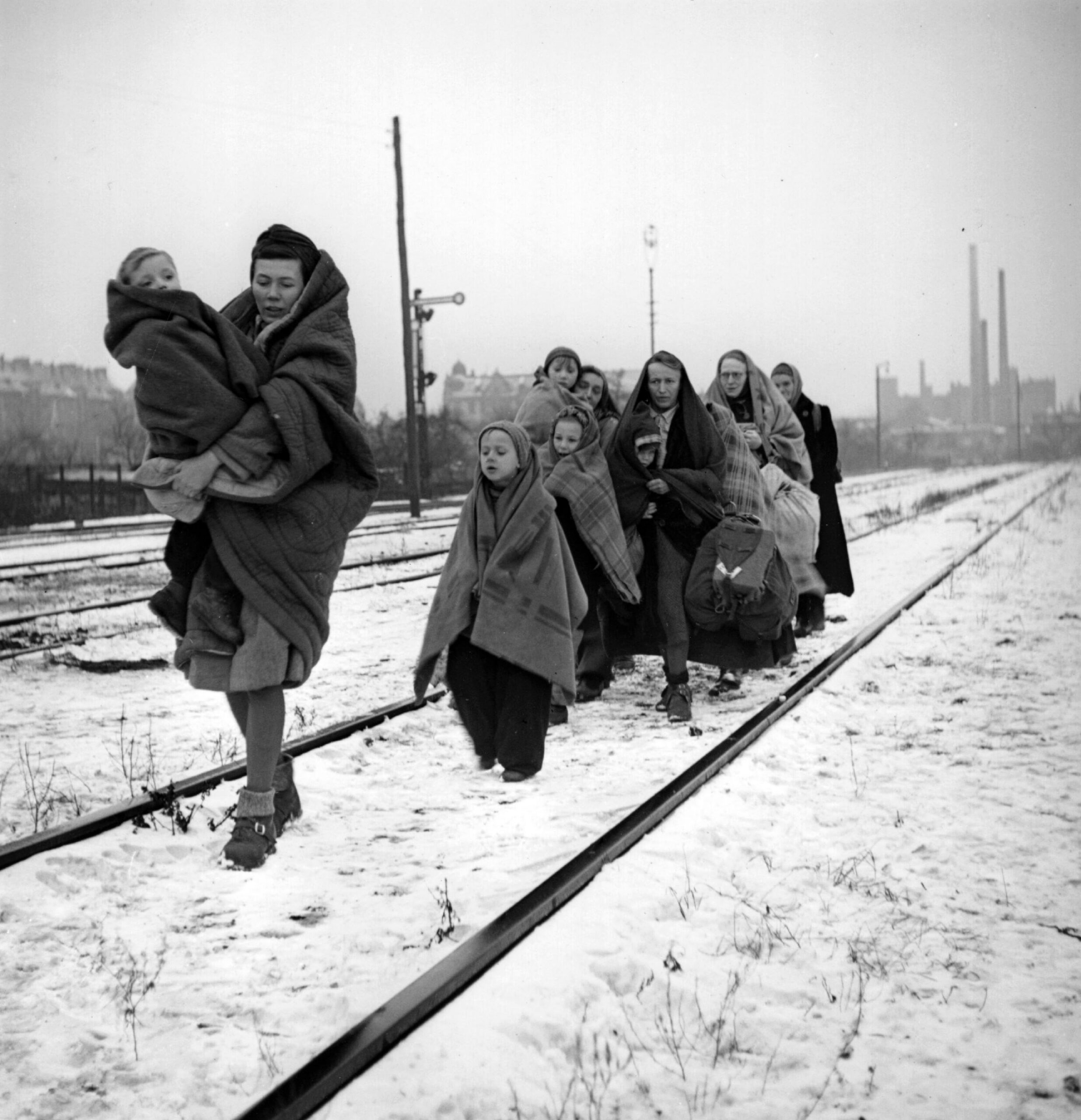
    People do not embark on these crossings for adventure. They flee cities destroyed by war, countries where livelihoods have disappeared, political repression and a future without prospects. When safe and regular routes are unavailable, they may be forced to entrust their lives to unseaworthy boats and smuggling networks.

    For years, the European Union has managed migration primarily through border controls and preventing irregular crossings. Allegations of pushbacks, migration agreements with third countries and spending on border security are among the most contested aspects of this approach. Human rights organizations warn that such practices can obstruct access to asylum and push people onto more dangerous routes. Greek authorities deny allegations of unlawful pushbacks.

    One fact remains: deaths on maritime migration routes number in the tens of thousands, and spending on border security has not stopped them.

    Following the deaths off Lesbos, the island’s Workers’ Centre called for a protest. The Lesbos Peace Committee demanded a thorough investigation of both disasters. These calls raise questions not only about technical causes but also about border interventions and the duty to protect human life.

    When an infant dies in a collision with a coast guard vessel, it is not enough to establish which boat struck the other. We must also examine how the intervention was conducted, why safe passage was unavailable and why deadly incidents at borders keep recurring.

    The transformation of the Mediterranean into a graveyard is not a natural disaster. It cannot be separated from wars, inequality, exploitation and the human consequences of border policies. At the same time, direct responsibility for each death must be established through independent and effective investigation.

    The death of an infant off Lesbos and six people off Samos is the latest chapter in a tragedy that has grown for years. After every disaster come casualty figures, accounts of rescue operations and announcements of investigations. Then another boat sinks, and the same story is written again.

    The question is not how many people the sea has killed, but why people are forced to risk death. The lives lost at Europe’s borders demand a reckoning with the human consequences of migration policy.

    GOCCOM Greece

  • FRANCE: WHEN ANGER BECOMES COLLECTIVE

    FRANCE: WHEN ANGER BECOMES COLLECTIVE

    Seyhan Uludag

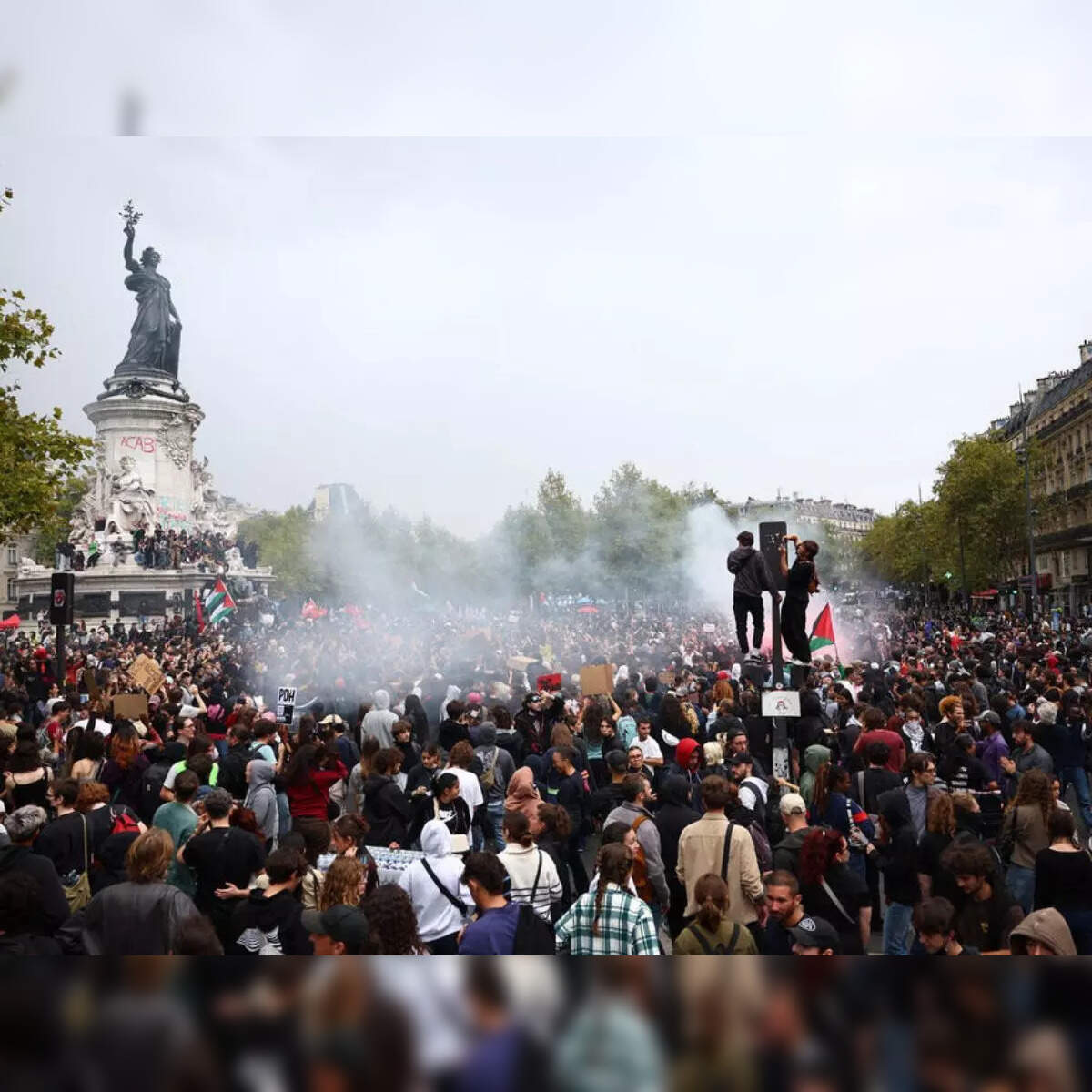
    In France, young people demand their future, workers the fruits of their labour, and pensioners the right to live with dignity. Classrooms without teachers, worsening living conditions, problems in public services and distrust of political power are concrete causes of the anger building in the streets. Protests against the Macron administration have moved beyond any single reform or government decision. The problems experienced by different social groups have the potential to converge around contradictions generated by the same economic and political order.

    What is truly unsettling in France is not that people are becoming angry, but that their anger is beginning to find common ground.

    Someone who once regarded their poverty as personal failure, unemployment as fate and lack of prospects as an individual dead end reaches another level of awareness upon discovering that millions share that same predicament. This is where anger becomes social. When a connection emerges between a student’s stolen future and a worker’s poverty, between a pensioner’s financial hardship and declining public services, separate protests can develop into a common political challenge.

    For what shakes a social order is not the scale of poverty, but the moment those being impoverished begin to question its causes together.

    Capital maintains its dominance not only by exploiting labour but also by dividing the exploited. Politics that pits a worker against a migrant, one poor person against another and an unemployed person against someone in work conceals the real sources of inequality. The fear of migrants fuelled by the far right and the economic order defended in the name of stability by centrist politics seek, from different positions, to direct social discontent. In one case anger is redirected towards another target; in the other its limits are drawn. The exploited are thus encouraged to confront one another, while exploitation itself remains unquestioned.

    The greatest danger to an established order is not a growing number of hungry people, but their coming together to question the causes of their hunger.

    France’s streets carry not only today’s anger but also the traces of historical reckonings suppressed in this country. The conditions that gave rise to the Paris Commune in 1871 are not those of today. Yet the Commune’s historical importance lies not simply in an uprising, but in the oppressed themselves raising the question of who should hold political power. The workers of Paris asked a question that went beyond replacing their rulers: Why should those who sustain a society not have a decisive say in governing it?

    The Commune was crushed in blood. But what was suppressed was not merely an experiment in government; it was a historical possibility demonstrating that working people could determine their own fate. To claim that the Commune is being reborn in France’s streets today would be easy romanticism. What matters is that, after so many years, the same fundamental contradiction persists in different forms: Those who produce wealth are still not those who control it. This is history’s unsettled account.

    The answer to this question cannot be found at the ballot box alone. Elections can change governments; but as long as ownership of the means of production, the economic power of capital and labour’s dependence remain in place, limits to political change remain as well. The fall of a government is not the end of a system of exploitation. A change in who holds political office does not mean that control over social wealth also changes hands.

    Solidarity against the devastation in Gaza, which resonates in France’s streets, carries a significance of its own. The rejection in other lands of the suffering inflicted on one part of humanity shows that national borders cannot entirely confine political conscience. Yet the true strength of solidarity lies not only in witnessing suffering, but in questioning the political and economic relations that make it possible.

    I do not see a crowd in France’s streets that should be romanticised. I know too much history to mistake anger itself for revolution. We know how unorganised anger disperses, how rebellion that fails to develop into consciousness is exhausted, and how people’s suffering can be turned against them once again. History is full of such examples. When anger does not understand its own causes, it can once again become a weapon in the hands of the very order that produced it.

    That is why the issue is not how many days the streets will remain full, how many governments will be shaken, or who will win an election. The issue is how far the relations that sustain labour’s dependence on capital will be questioned. The power of social anger lies not in the number of people in a crowd, but in the capacity of separate struggles to develop into a shared consciousness and an organised will.

    This is the decisive question in France today: will people challenge only the consequences of the lives imposed upon them, or will they also debate changing the relations that produce those lives?

    A society’s true breaking point is not the moment people can no longer endure, but the moment they understand together why they have been forced to endure.

    For an established order does not fear people becoming angry one by one; it fears the moment they realise they are no longer alone.

  • They Left Gaza, but Cannot Return Home

    They Left Gaza, but Cannot Return Home

    When does a person become a migrant? When they cross a border? When another country stamps their passport? Or when their home is destroyed, their neighbourhood is wiped off the map, they bury their children and there is no longer a life to return to? Gaza offers one of the most painful answers to that question today.

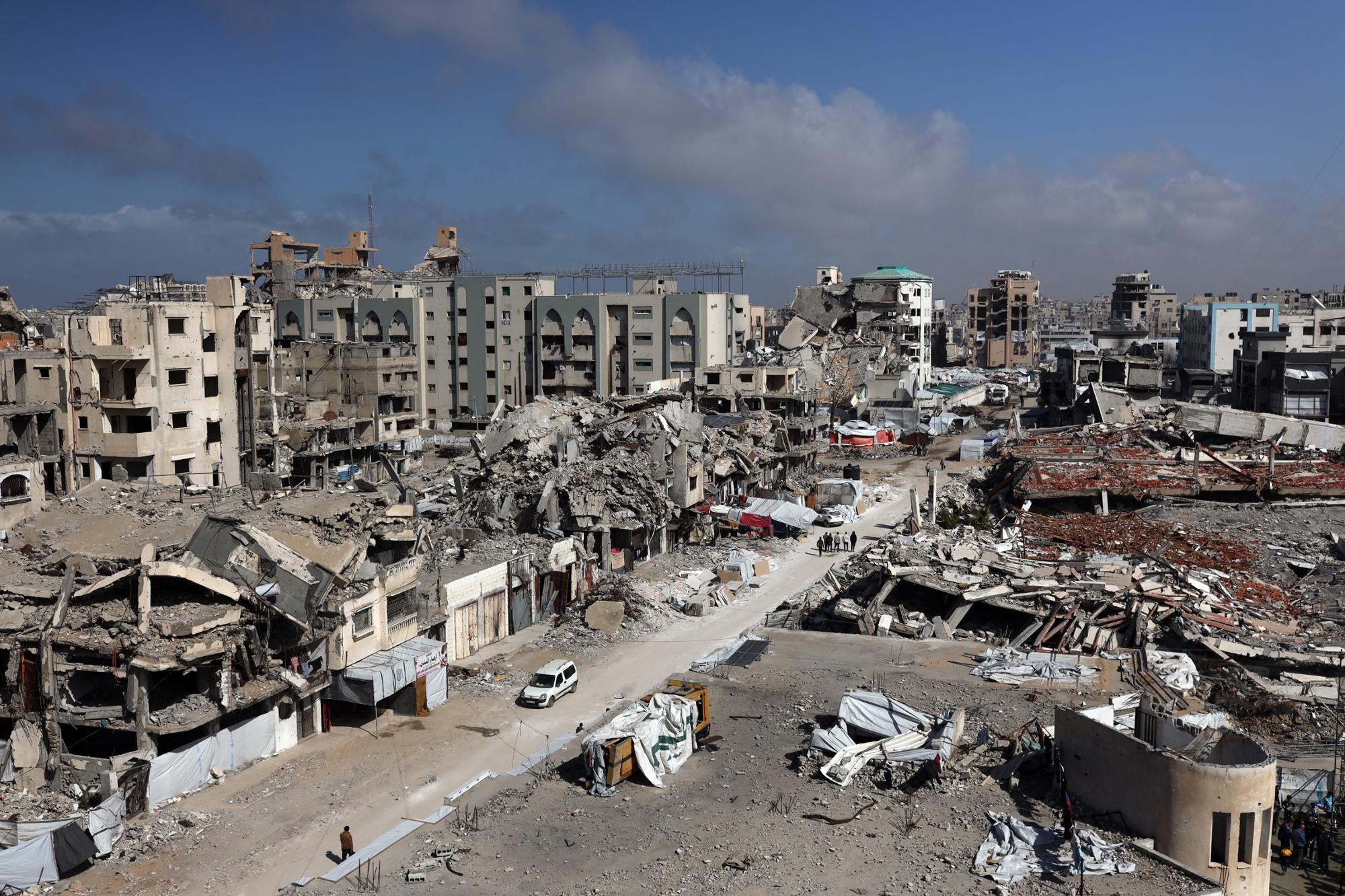
    According to Palestinian Authority figures cited in Reuters’ report of 4 October 2026, more than 100,000 Palestinians who left Gaza during the war that began after 7 October 2023 remain abroad. Around 7,000 people have returned to Gaza. Three years have passed since the war began. A ceasefire was announced, reconstruction was discussed and political plans were unveiled. But for those who want to go home, a safe and liveable future remains far away.

    Because returning takes more than opening a border crossing. It requires a home, a liveable neighbourhood, schools for children, accessible hospitals, drinking water and at least some hope that tomorrow will be safer than today. Much of this is still missing in Gaza.

    According to the assessment cited in the UN Office for the Coordination of Humanitarian Affairs’ situation report dated 25 September, 94 per cent of Gaza’s population urgently needs shelter assistance and essential household items. Sixty-five per cent of households are living in tents or makeshift shelters. As winter approaches, hundreds of thousands of people face the threat of rain and flooding.

    The ceasefire has not erased the war’s consequences for people. The UN report describes continuing strikes and other military activities, alongside severe difficulties in accessing water, essential healthcare and shelter materials. Humanitarian funding shortfalls and restrictions on incoming materials also prevent families from preparing for winter.

    Many of those who managed to leave Gaza are waiting in other countries. They can neither fully build a new life nor return to their old one. Omar al-Hassayna is one of them.

    According to Reuters, Hassayna lives in Cairo. Palestinian authorities say that 308 members of his extended family were killed in Israeli strikes on 22 November 2023 against the apartment buildings in Gaza City where they had sought shelter. Among the victims were his wife, four adult sons and four young grandchildren.

    Reuters reported that the Israeli military did not answer questions about the details of that attack. The military said its strikes in Gaza were directed at military targets and that it sought to reduce harm to civilians.

    Hassayna supports himself in Cairo by selling some of the goods left from his firefighting and safety equipment business in Gaza. But he waits. He waits for the day he can return to Gaza. His story is not only one man’s tragedy; it is one of thousands of stories showing how war produces migration.

    Because migration often does not begin with people waking up one morning and deciding to live in another country. First comes war. Then the bombs. Homes are destroyed. Businesses close. Schools become unusable. Hospitals can no longer function. Families are torn apart. The material ties connecting people to the land where they live are severed one by one. And eventually only one option remains: to leave.

    Those same people are then discussed elsewhere in the world as ‘migrants’, ‘refugees’, ‘asylum seekers’ or ‘foreigners’. How should borders be protected? How many people should be admitted? Who should be sent back? How can migration be stopped? Yet another question should come before all of these: Who creates the conditions that force people to leave?

    Gaza puts that question before the world in all its starkness. The more than 100,000 people from Gaza now living abroad are not simply Palestinians in other countries. Many are waiting for the homes, neighbourhoods and lives they left behind to be rebuilt.

    But reconstruction means more than pouring concrete. Rebuilding a city means enabling people to live safely, children to attend school, hospitals to function, water to flow and residents to earn a living. It also means being able to believe that the same destruction will not happen again. Until these conditions exist, ‘return’ remains merely a political concept.

    The people of Gaza are not statistics. Behind every number are an interrupted life, a lost family, an abandoned home and memories that had to be carried away. When the world discusses migration today, it often sees the person waiting at the border. It does not see what that person experienced before arriving there.

    Gaza makes the reality unmistakable: Migration does not begin at the border. It begins when the place where a person can live is destroyed. Until the conditions for people to return home are created, the displacement produced by the war in Gaza will not be over.

    GOCCOM

  • Borders Are Closing, but the Causes of Migration Remain

    Borders Are Closing, but the Causes of Migration Remain

    Greece’s proposal to temporarily suspend asylum applications during the large-scale migration flows into the European Union has shifted the debate on migration in Europe back towards the closure of borders and the return of migrants. However, the most fundamental question in this debate remains unanswered: why are people leaving their countries?

    Wars, political oppression, armed conflicts, poverty, economic collapse, climate-related disasters and a lack of prospects are driving millions of people from their homelands. The number of forcibly displaced people worldwide is in the hundreds of millions. From Sudan to Ukraine, and from Afghanistan to Syria, people in various regions often set out not because they decided one morning to go to Europe, but because the safe space in which they can live is steadily shrinking.

    Nevertheless, the political debate in Europe tends to focus not on the causes of migration, but on what to do with migrants once they reach Europe’s borders. Higher walls, more border police, accelerated deportation procedures, plans for return centres in third countries, and now proposals to suspend asylum applications entirely all represent different forms of the same approach.

    Thanos Plevris, Greece’s Minister for Migration and Asylum, wants European Union countries to be able to temporarily suspend asylum applications during exceptional periods of mass migration. Athens argues that the current system is inadequate when tens of thousands of people reach the border within a short space of time. Greece is not alone. In recent years, many governments across Europe have based their migration policies on strengthening borders, increasing deportations and agreements with countries outside Europe.

    However, suspending the right to asylum does not end the conflict. When a border is closed, the conflict in Sudan does not end, the oppression in Afghanistan does not disappear, and the lives destroyed in Syria are not rebuilt. Closing migration routes does not eliminate the reasons that drive people to migrate. The International Organisation for Migration also points out that the narrowing of legal and safe routes can, rather than completely halting migration, drive people towards more irregular and dangerous routes.

    For this reason, alongside the question ‘Why are migrants coming?’, we must ask another: How do the conditions that drive them to set out on their journey come about?

    There is no single answer to this question, nor is there a single party to blame. Wars between states, civil wars, armed groups, authoritarian regimes, political and ethnic oppression, economic inequalities, the collapse of states, and living conditions exacerbated by the climate crisis all form the intertwined causes of migration movements. Some people are fleeing political oppression, some are fleeing war, some are fleeing hunger, whilst others are fleeing an environment where all of these factors are occurring simultaneously.

    Europe is not entirely outside this picture either. European states are among the actors in global politics, international economic relations, military alliances and the diplomatic management of conflicts. Therefore, reducing the debate on migration in Europe solely to border security carries the risk of obscuring the broader political and economic conditions that give rise to migration.

    On the other hand, European states have the right to manage their borders, control irregular crossings and examine asylum applications. It is also true that migration pressures create serious administrative and social problems, particularly in countries with external borders. However, border management is not the same as eliminating access to the right to asylum.

    The asylum system exists precisely to distinguish between those fleeing war and persecution and those migrating for other reasons. How can this distinction be made when people are not even permitted to submit an application? Where will a woman fleeing war, a journalist leaving their country due to political persecution, or a person at risk of torture turn for help?

    This is where the most serious debate over Greece’s proposal begins.

    The European Union’s new Migration and Asylum Pact, which came into force in June, speeds up border procedures, strengthens return mechanisms and introduces special provisions for times of crisis. EU institutions also state that access to the asylum procedure and the protection of fundamental rights will be safeguarded. Greece’s proposal, however, raises the prospect of the application process itself being temporarily suspended under crisis conditions.

    Consequently, the issue is not merely how many people are at Greece’s border. The issue is whether Europe will henceforth regard the right to asylum as a right that must be protected in times of crisis, or as a procedure that can be suspended when a crisis arises.

    A policy that views migration solely in terms of the border only recognises the individual once they reach the gate. Yet migration begins much earlier: when a bomb falls, when political repression begins, when a family is forced to leave their home, when they can no longer make a living, or when the land they inhabit is no longer safe.

    If Europe wishes to tackle the issue of migration in a sustainable manner, it must not only ask ‘How can we stop it?’, but also discuss the question: ‘Why do the conditions that drive people to flee persist, and who bears what responsibility for the creation of these conditions?’.

    Because closing the border does not eliminate the causes of migration. It merely places yet another barrier in the path of those fleeing those very causes.

    GOCCOM GREECE

  • France Takes to the Streets: Workers and Students on the Moves

    France Takes to the Streets: Workers and Students on the Moves

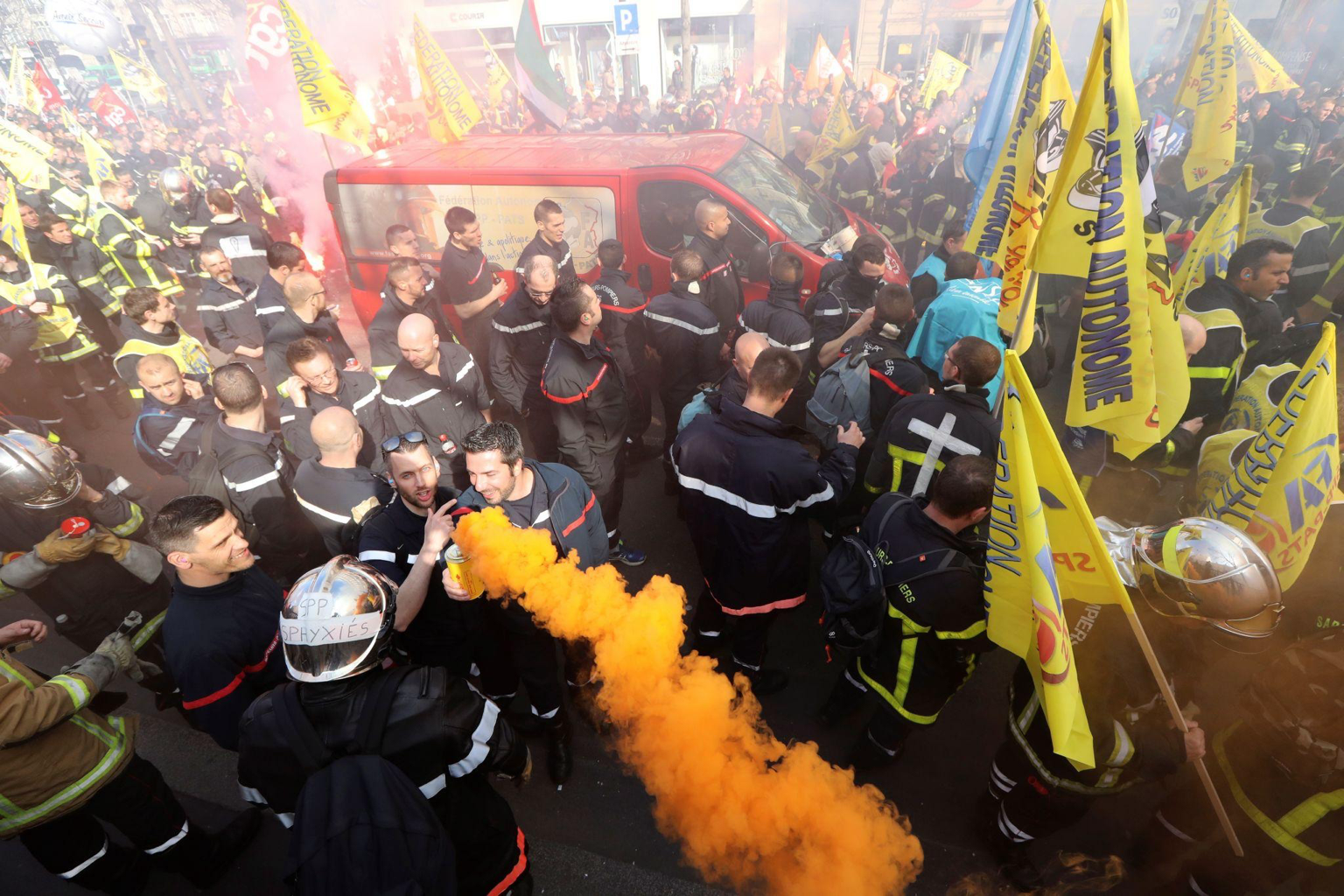
    The strike launched by public sector workers in France over pay and working conditions was joined by protests by secondary school pupils that spread across the country. A broad cross-section of the workforce – from teachers to healthcare workers, and from firefighters to staff in public institutions – walked out on 29 September and took to the streets. Meanwhile, students organised protests and blockades at hundreds of secondary schools in response to staff shortages, overcrowded classrooms, dilapidated school buildings and inequalities in education.

    At the heart of the protests lies the government’s 2027 budget policy and the increasingly severe loss of purchasing power faced by public sector workers. The government plans to freeze the index value used to determine public sector workers’ basic pay once again in 2027. This means another year in which public sector workers will not receive a general pay rise.

    The trade unions, however, state that the wage losses, which have been ongoing for years, have now become unsustainable. Their demands are not limited to wage increases alone. Filling staff shortages in public services, improving working conditions, and allocating more resources to education and healthcare services are also among the key demands of the protests.

    Around 170 demonstrations were held across France. Whilst the Ministry of the Interior reported that 206,000 people took part in the nationwide demonstrations, the CGT stated that attendance exceeded 300,000. In Paris, too, there is a significant discrepancy between the official figures and those provided by the trade unions.

    Firefighters were one of the most visible groups taking part in the protests. Noting that staff and resource shortages had become even more apparent following the major wildfires that affected France, particularly during the summer months, firefighters are demanding improvements to their working conditions and pay.

    Issues in the education sector, meanwhile, came into sharper focus on the same day as the public sector strike, as a student movement grew across the country.

    The protests by secondary school pupils began on 21 September at the Saint-Exupéry Secondary School in Créteil, near Paris. The backlash against unfilled teaching posts quickly spread to other schools. The students highlighted not only the shortage of teachers and staff but also overcrowded classrooms, dilapidated school buildings and regional inequalities in education.

    On 29 September, the student protests spread nationwide. Around 410 secondary schools were affected by the protests in various ways. The Ministry of Education recorded full blockades at 45 schools and attempted blockades at 46 others.

    In the Paris suburbs in particular, inequalities in education are at the forefront of the students’ demands. In some schools, students report being taught in classes of 35 pupils, lessons being cancelled due to a shortage of teachers, and difficulties in accessing basic educational resources.

    As the student movement has grown, clashes with the police have also occurred in some towns and cities. According to the latest statements from the authorities, at least 76 people were injured in the incidents, and approximately 440 were taken into custody. It has been reported that the majority of those detained are under the age of 18. However, it is noted that the vast majority of student protests across the country have taken place without incident.

    The protests quickly became the focus of political debate. Whilst the government has accused some opposition politicians of exploiting the student movement for political ends, opposition representatives have criticised the police’s interventions. The Ministry of Education, whilst acknowledging that some of the students’ demands regarding educational conditions were legitimate, condemned the acts of violence.

    The movement in France has thus gone beyond the scope of a one-day public sector strike. On the one hand, there are public sector workers claiming their purchasing power is declining; on the other, students taking to the streets to protest against staffing shortages, infrastructure issues and inequalities within the education system.

    Whilst debates over the 2027 budget continue, the government is attempting to keep public spending under control. Trade unions, however, are opposing the idea that public sector workers and public services should bear the cost of the budget deficit.

    Although the two movements that converged on the same streets on 29 September had different starting points, they are united around a common issue: how resources allocated to public services, workers’ wages and educational conditions will be shaped.

    The next critical phase in France will be the negotiations between the government and the trade unions. Whilst the trade unions have warned that further industrial action may be on the cards if their demands are not met, the movement initiated by secondary school pupils continues in many towns and cities.

    GOCCOM France

  • Threat to Refugees in South Africa on 30 September

    Threat to Refugees in South Africa on 30 September

    In the South African city of Durban, hundreds of refugees and asylum-seekers are fearing further attacks as 30 September approaches – the deadline set by the anti-immigration ‘March and March’ movement for undocumented migrants to leave the country. The call, which has no legal binding force, has heightened security concerns within refugee communities due to the anti-foreigner attacks and threats that have taken place in recent months.

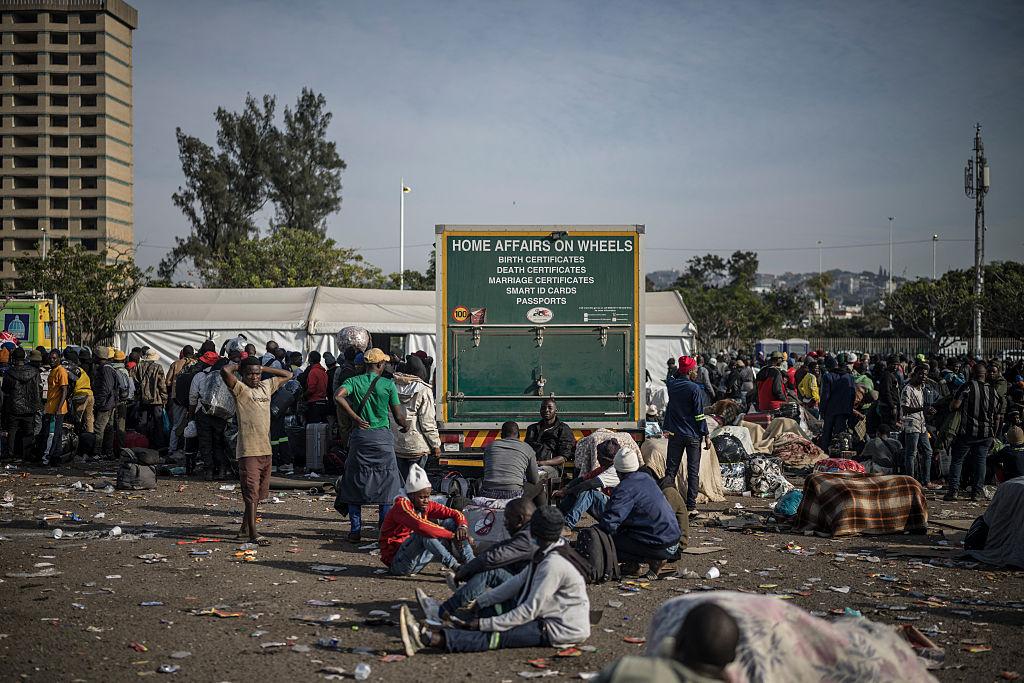
    At the centre of the tension in Durban are refugees and asylum-seekers from the Democratic Republic of the Congo, Burundi, Uganda, Mozambique and other African countries. Hundreds of people, including women and children, who had left their neighbourhoods out of fear of anti-foreigner attacks, lived temporarily for months around the Ministry of Home Affairs building in Durban.

    The tensions turned violent on 3 September. It was reported that at least four people were injured in clashes between members of the anti-immigration group and refugees and asylum-seekers in the area.

    The ‘March and March’ campaign maintains that it targets undocumented migration, crime and the government’s migration policy, rather than foreigners, and rejects accusations of xenophobia. Refugees, however, point out that the crackdown is not limited to undocumented individuals, but that foreigners with legal status can also be targeted.

    The South African government cleared the temporary settlement in Durban in mid-September. Refugees and asylum-seekers were given the choice of returning to the areas where they had previously lived or going to the Lindela Deportation Centre in the Gauteng province, hundreds of kilometres away from Durban.

    On 15 September, 274 people were transferred to Lindela. According to government figures, 191 of them were citizens of the Democratic Republic of the Congo, 76 from Burundi, five from Uganda, one from Mozambique and one from Ghana. Around 150 people chose to remain in Durban.

    The clearance of the temporary settlement did not resolve the security issue. Some of the refugees who have not returned to their home areas report that they fear being attacked again. There are also those who have lost their jobs and livelihoods as a result of months of displacement.

    Violence against foreign nationals has long been a significant social issue in South Africa. In 2008, anti-foreigner attacks spread across various regions of the country, resulting in the deaths of dozens of people and the displacement of thousands. Attacks targeting migrants have also occurred in subsequent years.

    Economic hardship, high unemployment, crime and problems with public services have recently returned to the centre of the migration debate. Against this backdrop, rhetoric blaming refugees and migrants for economic and social problems is gaining ground.

    According to data from the United Nations High Commissioner for Refugees, South Africa was hosting more than 167,000 refugees and asylum-seekers in 2025. As there is no general system of refugee camps in the country, the vast majority of refugees live in towns and cities alongside local communities.

    One of the key points of the debate in Durban is who has the authority to decide on the removal of migrants from the country. The South African government states that the authority to enforce immigration laws and carry out deportations lies with the state, and that no private individuals or groups have the authority to remove foreigners from the country.

    Consequently, the 30 September deadline announced by March and March is not an official deportation deadline. However, as the date approaches, concerns are growing amongst refugees and asylum-seekers – who have previously faced attacks and threats – that further incidents of violence may occur.

    For those remaining in Durban, the problem remains unresolved: secure accommodation, access to livelihoods and a safe return to the areas they previously left remain uncertain.

    Goccom

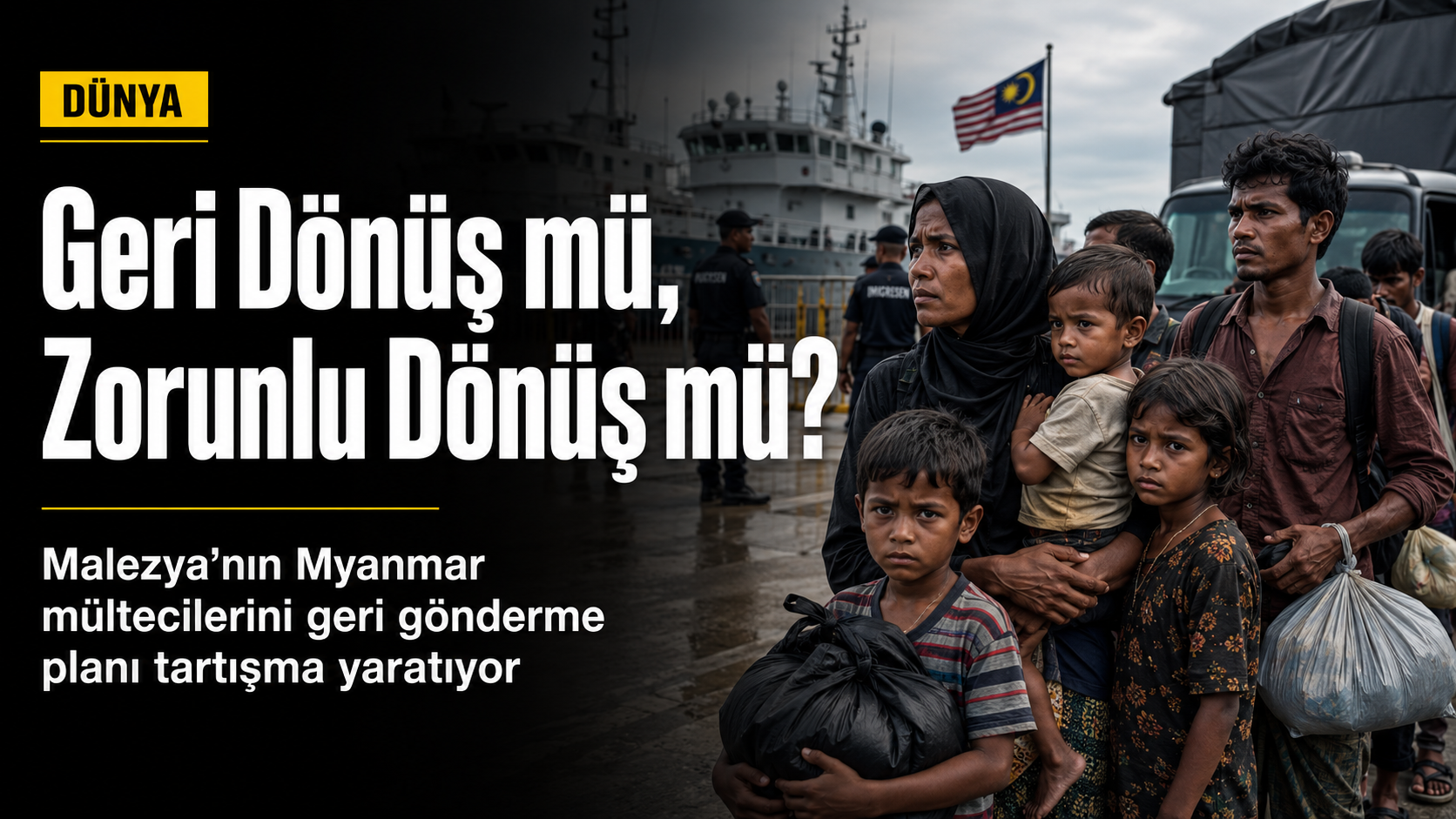
  • Return or Compulsory Return?

    Return or Compulsory Return?

    Malaysia’s plan to repatriate thousands of Myanmar refugees has reignited the debate over the distinction between ‘voluntary return’ and forced repatriation. Whilst conflict and serious human rights violations continue in Myanmar, the United Nations High Commissioner for Refugees emphasises that the country is not safe.

    The Malaysian government is preparing to repatriate approximately 1,500 Myanmar refugees in the first phase. It is reported that the broader plan covers a total of 5,000 Rohingya refugees. The government describes this process as “voluntary return”. However, this characterisation is highly contentious due to the legal and social conditions faced by the refugees.

    The United Nations High Commissioner for Refugees (UNHCR) states that armed conflict and insecurity persist in Myanmar, and therefore the conditions for a return to the country are not yet in place. The UNHCR also emphasises that returns must take place only on a voluntary, safe, informed and dignified basis.

    This is where the most critical issue arises. If a person lacks permanent status in the country where they are residing, has limited access to the right to work and social security, faces an uncertain future, and lives in constant fear of deportation, to what extent can their ‘choice to return’ be considered a free one?

    Malaysia is one of the countries in South-East Asia hosting the largest number of Myanmar refugees. The majority of refugees in the country are Rohingya and people from other ethnic communities in Myanmar. However, as Malaysia lacks a comprehensive national asylum system, the legal status of refugees is extremely precarious.

    In Myanmar, meanwhile, the civil war and political violence that began following the 2021 military coup are still ongoing. In many parts of the country, fighting, forced displacement and serious human rights violations continue. In such a context, the return of thousands of people cannot be viewed merely as a matter of migration management.

    One of the fundamental principles of international protection is that people must not be forcibly returned to countries where their lives or fundamental rights would be seriously at risk. Malaysia’s plan therefore raises the question of what political pressure and coercion lie behind the concept of ‘return’.

    There is a method becoming increasingly common in migration policies today: states do not directly refer to ‘forced return’, but instead use softer terms such as ‘voluntary return’, ‘resettlement’ or ‘readmission’. However, a change in terminology does not eliminate the danger people face.

    The real question is:

    If a country is not safe, can return truly be voluntary?

    From GOCCOM’s perspective, the issue is not merely how many people will be returned. The real issue is, in a world where the right to asylum is being progressively eroded, under what conditions and what pressures people in need of protection are being forced to ‘return’.