


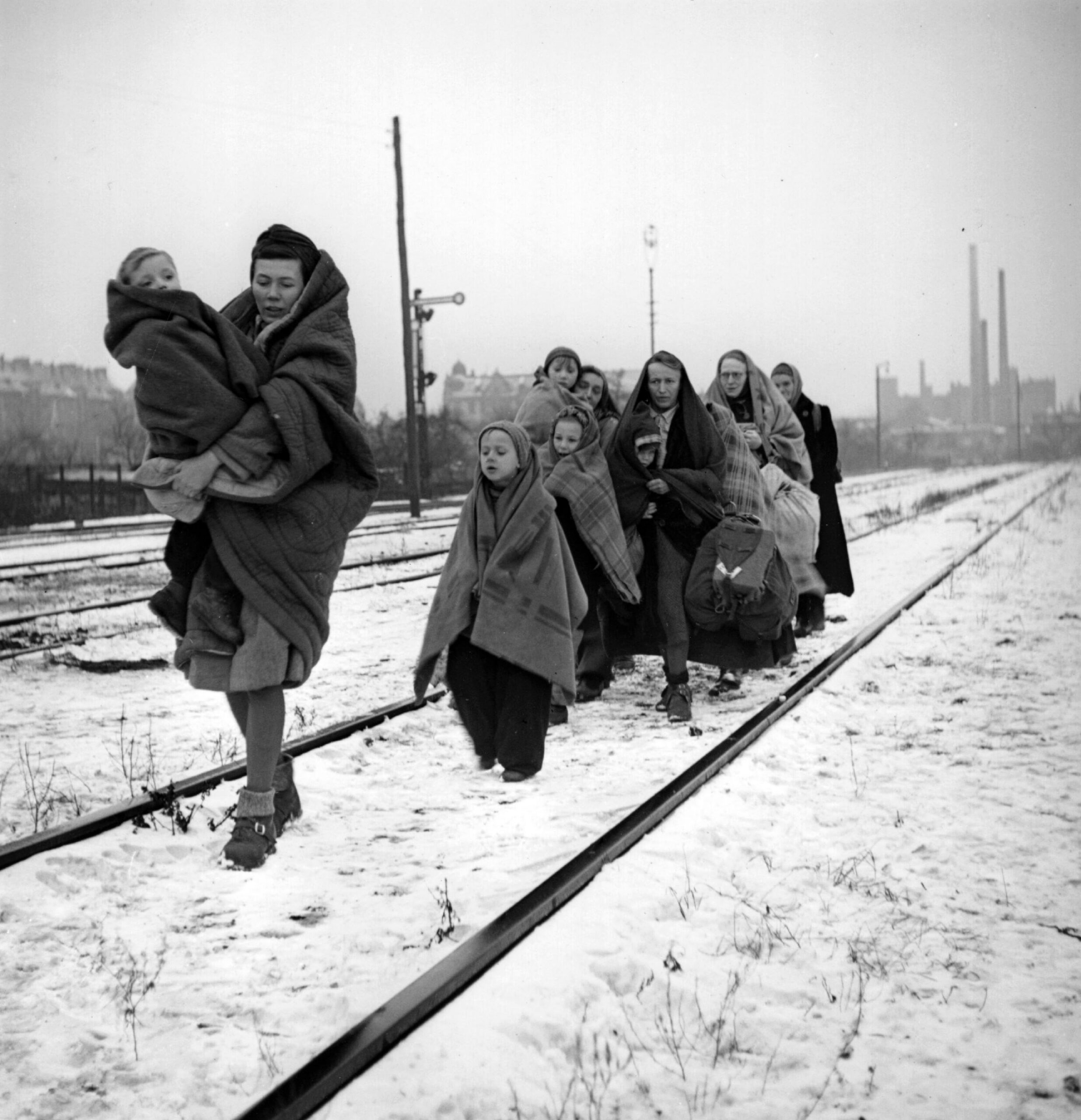
Greece’s proposal to temporarily suspend asylum applications during the large-scale migration flows into the European Union has shifted the debate on migration in Europe back towards the closure of borders and the return of migrants. However, the most fundamental question in this debate remains unanswered: why are people leaving their countries?
Wars, political oppression, armed conflicts, poverty, economic collapse, climate-related disasters and a lack of prospects are driving millions of people from their homelands. The number of forcibly displaced people worldwide is in the hundreds of millions. From Sudan to Ukraine, and from Afghanistan to Syria, people in various regions often set out not because they decided one morning to go to Europe, but because the safe space in which they can live is steadily shrinking.
Nevertheless, the political debate in Europe tends to focus not on the causes of migration, but on what to do with migrants once they reach Europe’s borders. Higher walls, more border police, accelerated deportation procedures, plans for return centres in third countries, and now proposals to suspend asylum applications entirely all represent different forms of the same approach.
Thanos Plevris, Greece’s Minister for Migration and Asylum, wants European Union countries to be able to temporarily suspend asylum applications during exceptional periods of mass migration. Athens argues that the current system is inadequate when tens of thousands of people reach the border within a short space of time. Greece is not alone. In recent years, many governments across Europe have based their migration policies on strengthening borders, increasing deportations and agreements with countries outside Europe.
However, suspending the right to asylum does not end the conflict. When a border is closed, the conflict in Sudan does not end, the oppression in Afghanistan does not disappear, and the lives destroyed in Syria are not rebuilt. Closing migration routes does not eliminate the reasons that drive people to migrate. The International Organisation for Migration also points out that the narrowing of legal and safe routes can, rather than completely halting migration, drive people towards more irregular and dangerous routes.
For this reason, alongside the question ‘Why are migrants coming?’, we must ask another: How do the conditions that drive them to set out on their journey come about?
There is no single answer to this question, nor is there a single party to blame. Wars between states, civil wars, armed groups, authoritarian regimes, political and ethnic oppression, economic inequalities, the collapse of states, and living conditions exacerbated by the climate crisis all form the intertwined causes of migration movements. Some people are fleeing political oppression, some are fleeing war, some are fleeing hunger, whilst others are fleeing an environment where all of these factors are occurring simultaneously.
Europe is not entirely outside this picture either. European states are among the actors in global politics, international economic relations, military alliances and the diplomatic management of conflicts. Therefore, reducing the debate on migration in Europe solely to border security carries the risk of obscuring the broader political and economic conditions that give rise to migration.
On the other hand, European states have the right to manage their borders, control irregular crossings and examine asylum applications. It is also true that migration pressures create serious administrative and social problems, particularly in countries with external borders. However, border management is not the same as eliminating access to the right to asylum.
The asylum system exists precisely to distinguish between those fleeing war and persecution and those migrating for other reasons. How can this distinction be made when people are not even permitted to submit an application? Where will a woman fleeing war, a journalist leaving their country due to political persecution, or a person at risk of torture turn for help?
This is where the most serious debate over Greece’s proposal begins.
The European Union’s new Migration and Asylum Pact, which came into force in June, speeds up border procedures, strengthens return mechanisms and introduces special provisions for times of crisis. EU institutions also state that access to the asylum procedure and the protection of fundamental rights will be safeguarded. Greece’s proposal, however, raises the prospect of the application process itself being temporarily suspended under crisis conditions.
Consequently, the issue is not merely how many people are at Greece’s border. The issue is whether Europe will henceforth regard the right to asylum as a right that must be protected in times of crisis, or as a procedure that can be suspended when a crisis arises.
A policy that views migration solely in terms of the border only recognises the individual once they reach the gate. Yet migration begins much earlier: when a bomb falls, when political repression begins, when a family is forced to leave their home, when they can no longer make a living, or when the land they inhabit is no longer safe.
If Europe wishes to tackle the issue of migration in a sustainable manner, it must not only ask ‘How can we stop it?’, but also discuss the question: ‘Why do the conditions that drive people to flee persist, and who bears what responsibility for the creation of these conditions?’.
Because closing the border does not eliminate the causes of migration. It merely places yet another barrier in the path of those fleeing those very causes.
GOCCOM GREECE