


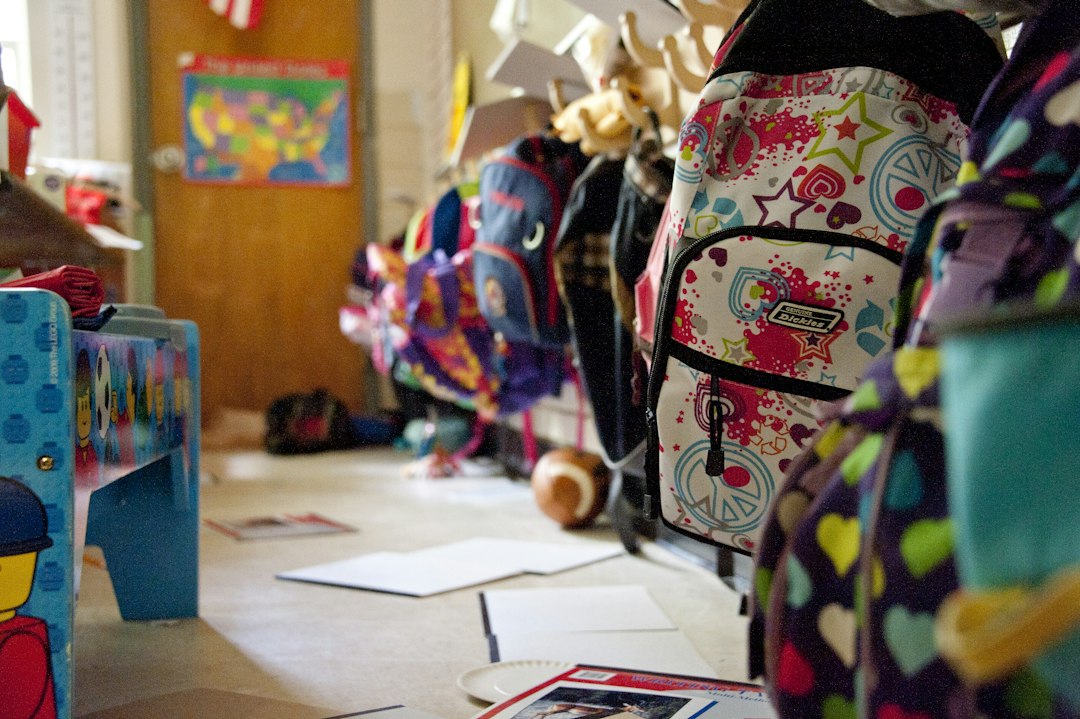
In Fribourg, civil society organisations supporting migrants and asylum seekers have raised concerns about serious shortcomings in children’s access to education, continuity of healthcare and accommodation conditions for unaccompanied minors. The Ensemble plus forts! (Stronger Together) coalition, which includes organisations such as Association Ensemble, Osons l’accueil! and La Cie Après ça je ne parle plus, said in its assessment of 8 October 2026 that some children receive significantly fewer teaching hours than those provided under the standard school curriculum.
According to the coalition, the educational pathways of asylum-seeking children are shaped more by transport options, administrative arrangements and family circumstances than by their educational needs. This undermines equal access to education and disrupts the continuity of schooling. The organisations stress that children must not face educational disadvantages because of their migration status or their families’ living conditions.
Shortcomings in healthcare are another major concern raised by the coalition. According to the organisations, healthcare for asylum seekers relies heavily on nursing teams. However, the lack of regular oversight by a responsible doctor creates problems for continuity of treatment. The statement explicitly emphasises that the organisations do not question the dedication or professional competence of nurses. Nevertheless, emergency departments have become the main way for many asylum seekers to gain direct access to a doctor. The organisations warn that limiting treatment to emergency interventions can have serious consequences, especially for conditions requiring long-term follow-up.
Staff shortages at centres accommodating unaccompanied minors are another significant problem. The coalition reports that despite staff members’ efforts, current staffing levels are insufficient to meet the children’s needs. Compared with other educational and care institutions, limited staffing restricts individual support and raises concerns about safety and protection. For children living apart from their families and requiring special protection, accommodation cannot simply mean providing a bed; educational, social and healthcare needs must be addressed together.
Established in 2020, the Ensemble plus forts! coalition says its demands for improved living conditions for asylum seekers remain relevant. They include better accommodation, broader access to the right to work and regular support for volunteer associations. The coalition argues that barriers to fundamental rights must be addressed through lasting public policies rather than temporary measures.
The findings reported by the Fribourg-based local outlet Frapp are based on assessments by organisations working with asylum seekers. The report does not include a response from cantonal authorities to these criticisms. The shortcomings described are therefore presented as the organisations’ assessments. Nevertheless, they raise the question of how asylum-seeking children’s rights to education, healthcare and safe accommodation are being guaranteed.
GOCCOM Switzerland